Signs of a Bad Hire: What Small Businesses Should Watch For
Six weeks ago, this hire looked right. The resume checked out, the interview went well, references were fine. Now you're rewriting their emails before they go out, chasing status updates that should have arrived on their own, and wondering whether you're overreacting or whether something is actually wrong.
That uncertainty is the hard part. A single bad week does not make a bad hire. But a pattern, once you know what to look for, usually does.
This article covers the real signs of a bad hire, how to tell a bad hire from a bad first ninety days, what to do once you've spotted the pattern, and how to reduce the odds of landing here again.
The Short Answer: Signs of a Bad Hire
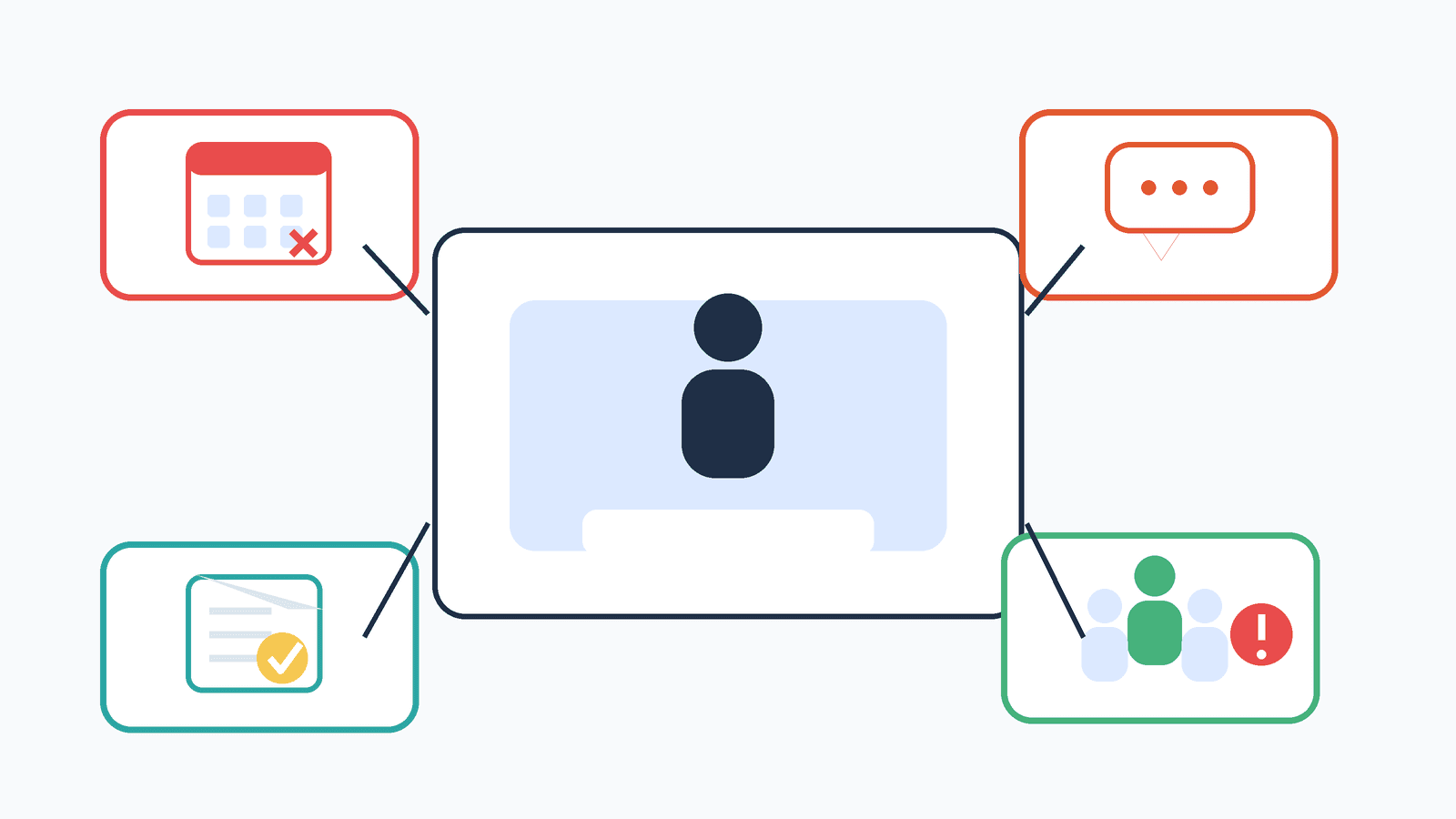
Bad-hire signs become clearer when the pattern is visible across work quality, communication, deadlines, and team impact. If you only have a minute, here is the list:
- Work quality that does not improve with time or correction
- Deadlines that keep slipping after expectations have been made clear
- Communication that creates more work for you or the team, rather than less
- Feedback that gets acknowledged but never changes the pattern
- A skills gap that goes beyond a normal learning curve
- A drain on team capacity — other people quietly compensating for the gap
None of these, on its own, is proof. A new hire missing one deadline in week two is not a warning sign. The same person missing deadlines in week eight, after clear expectations and support, is a different story. The signs matter only when you can separate the symptom from the cause, which is what the rest of this article helps you do.
Use the Bad Hire Signal Ladder
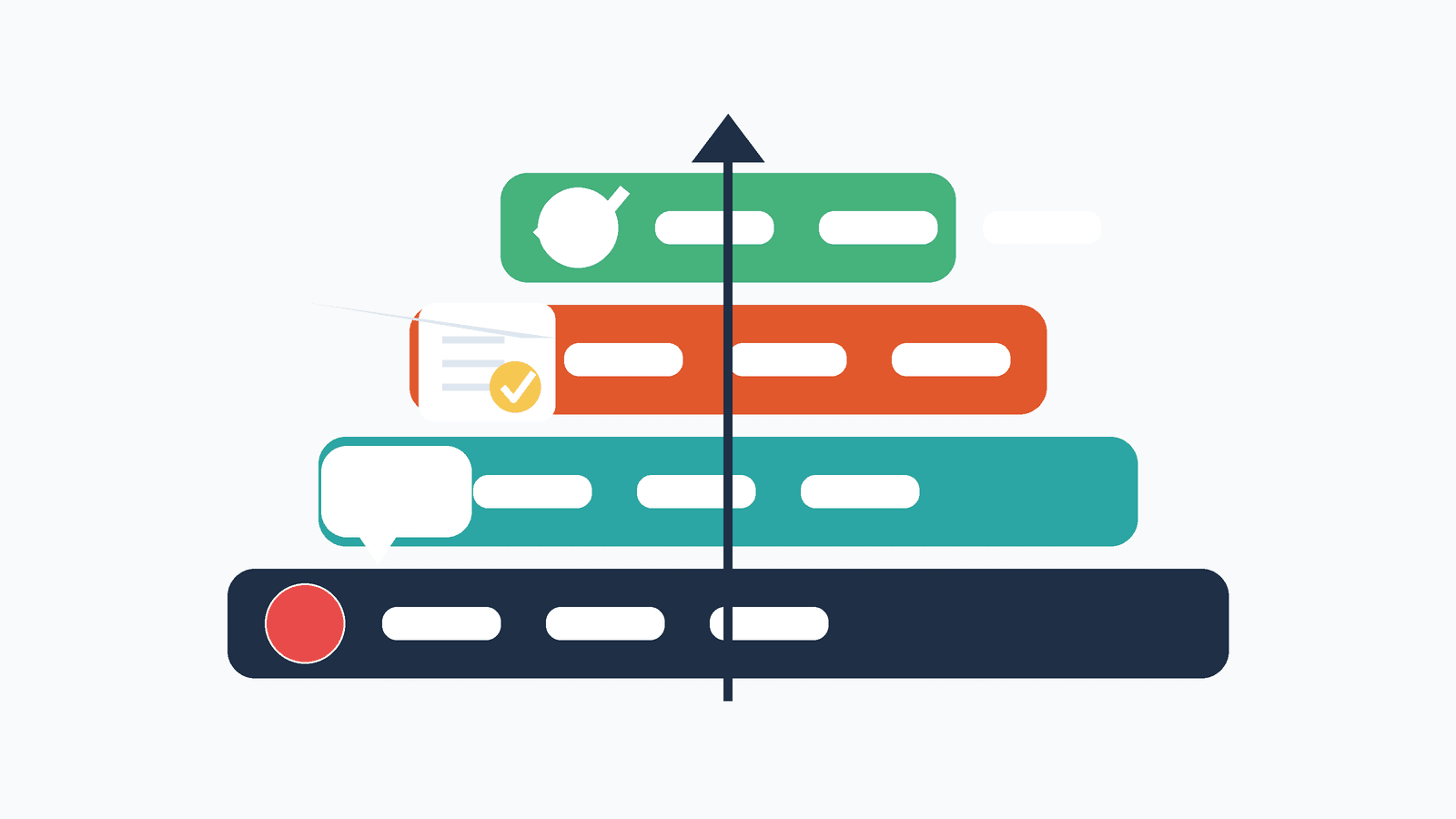
The signal ladder helps separate symptoms from causes before a small business makes a decision.
Most advice on this topic stops at the list. That's not quite enough, because a list of warning signs without context leads to two mistakes: acting too fast on something that was really a rough onboarding, or waiting too long on something that was genuinely not going to improve.
A more useful approach is to run each signal through four questions before deciding anything:
| Signal | Possible cause | Evidence to check | Next action |
|---|---|---|---|
| Missed deadlines | Unclear expectations, or a reliability issue | Were deadlines and priorities stated clearly? Is the pattern repeating after correction? | Reset expectations once, then reassess |
| Low-quality work | Skills gap, or insufficient training | Was proper onboarding and reference material provided? Are errors repeating on the same task type? | Provide targeted coaching, then reassess |
| Poor communication | Communication style mismatch, or avoidance | Is information missing, late, or simply delivered differently than you expect? | Clarify format and cadence explicitly |
| Resistance to feedback | Misunderstanding, or genuine unwillingness to change | Was feedback specific and actionable? Did behavior shift at all, even partially? | Document clearly; this is the strongest signal |
The ladder does the same thing in every case: it asks what's actually happening, what might explain it, what would confirm or rule that out, and what to do before jumping to a conclusion. Walk through it once per concern, and the picture usually gets clear fast.
Work Quality Does Not Improve
Every new hire produces work that needs correcting. That's normal — it's what ramp-up looks like. The concern is not the first draft that misses the mark. It's the fifth draft that misses it the same way.
Track whether errors are repeating on the same type of task, or whether they're new mistakes on new tasks — the second is closer to normal learning. If you've given specific, concrete feedback more than once and the same category of error keeps showing up, that's no longer a training gap. It's evidence. If the errors are process-related rather than person-related, it's worth reviewing why agent errors happen in the first place before concluding the hire is the problem.
Deadlines Keep Slipping
A missed deadline in someone's first few weeks is rarely meaningful on its own — it's often a sign the person is still learning how the business actually runs, not a sign of a reliability problem.
What matters is what happens after you flag it. Did you set a clear deadline, confirm the person understood it, and see it missed again without a legitimate reason? That's a different pattern than "still finding their feet." One missed deadline is an observation. Three missed deadlines after a direct conversation is a signal.
Communication Creates More Work
On a small team, communication problems don't stay contained — there's no layer of middle management to absorb them. If updates are vague, handoffs are incomplete, or you find yourself re-explaining the same thing multiple times, that work has to land somewhere. Usually it lands on you.
The test here is simple: are you spending more time managing this person's communication than the role should require? If a status update leaves you with more questions than it answers, or a handoff routinely needs to be redone, that's not a personality quirk. It's a cost.
Feedback Does Not Change the Pattern
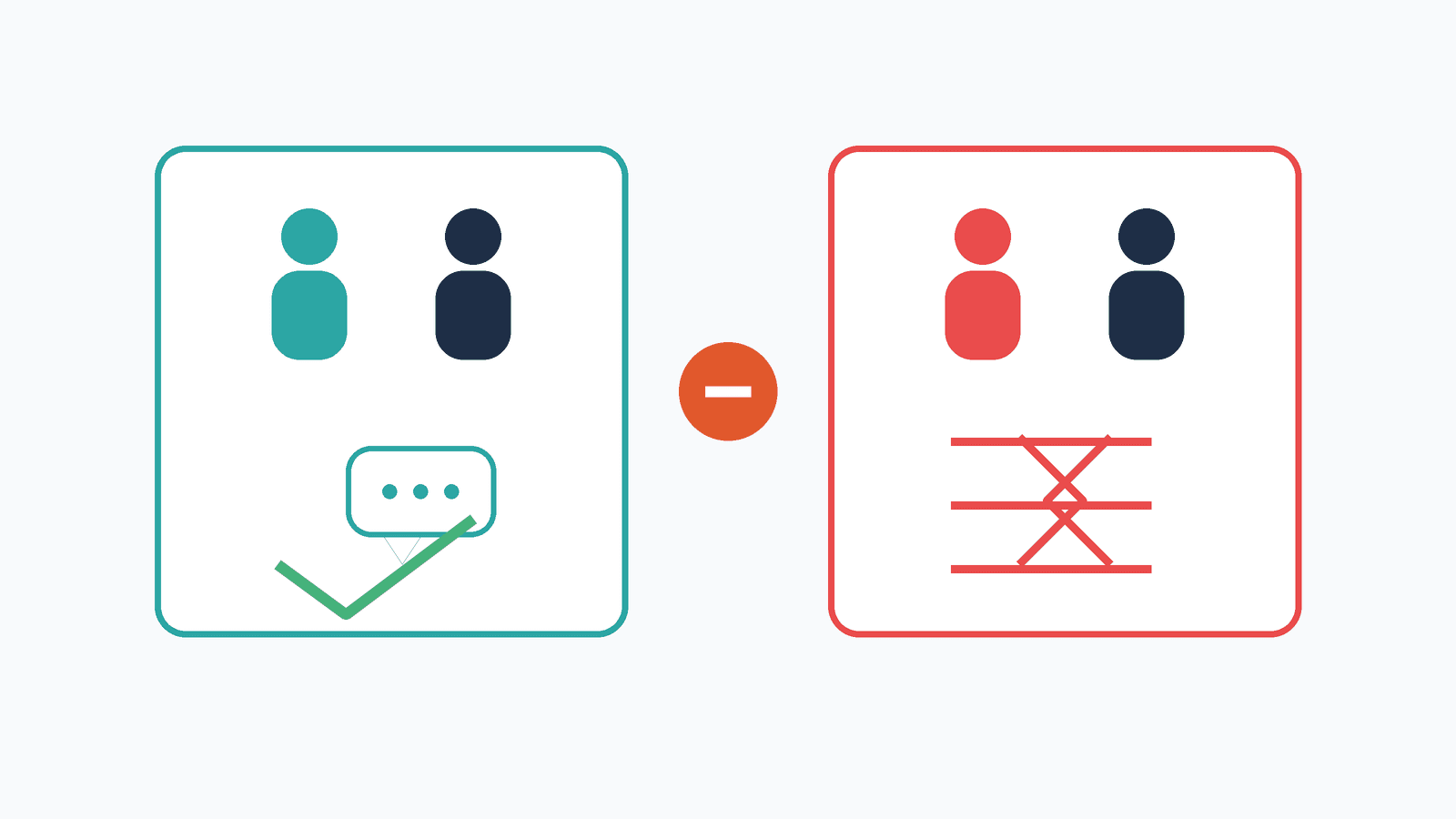
The strongest warning sign is not the first mistake. It is the same pattern continuing after clear feedback. This is the strongest signal on the list, and the one worth paying closest attention to.
Skills gaps are fixable. Communication style mismatches are workable. But when specific, clear feedback has been given more than once, and the behavior does not shift at all, that tells you something the other signs can't. It's not about whether the person is capable. It's about whether they're responsive to correction, which is the trait that makes every other issue solvable or not.
If you've had the direct conversation, been specific about what needs to change, and seen no movement after a reasonable window, you have your answer.
The Skills Gap Is Bigger Than the Resume Suggested
Sometimes the issue isn't attitude or effort — it's that the person's actual skill level doesn't match what came through in the interview. This happens more often than most hiring advice admits, because a strong interview and a strong resume are not the same thing as a demonstrated ability to do the job.
This is usually where the root cause traces back further than the new hire, to how the role was screened in the first place. A conversational interview can reveal how someone talks about their work. It reveals much less about whether they can actually do it. That gap is exactly why structured, skill-based screening at the hiring stage exists — it surfaces this mismatch before an offer goes out, not three months into the job. Where the gap is real but fixable, structured agent training can close it faster than leaving someone to figure it out on their own.
The Person Drains Team Capacity
A bad hire rarely affects only their own output. More often, the real cost shows up in everyone around them: a colleague quietly redoing their work, a manager spending disproportionate time managing one person instead of the team, deadlines elsewhere slipping because attention got pulled sideways.
This cost is easy to underestimate because it doesn't show up as a line item — it shows up as everyone being a little more stretched than they should be. If you want to understand the full financial picture of what a bad hire actually costs a small business, that's worth a closer look on its own. SHRM hiring benchmark context can also help you separate replacement-cost assumptions from the specific cost of one failed hire.
Bad Hire or Bad Onboarding?
Before concluding this is a bad hire, it's worth asking a less comfortable question: did this person get a fair start? Go through it honestly:
- Were expectations documented, or assumed?
- Was there a real onboarding process, or a laptop and a Slack invite?
- Did they have access to the tools, context, and people they needed to do the job?
- Was feedback given early and specifically, or did frustration build silently until it became a bigger conversation?
If the answer to most of these is no, what looks like a bad hire may be a hire who was never given a real chance to succeed. That's not a reason to ignore the warning signs, but it is a reason to fix the onboarding process gap before making a final call, and to be honest with yourself about which problem you're actually solving.
What To Do When You See the Signs
Once you've worked through the signal ladder and ruled out onboarding as the root cause, the next step depends on how many signals are present and how they responded to a first round of correction.
| Situation | Recommended action |
|---|---|
| One signal, early in tenure, no prior feedback given | Reset expectations clearly and directly. Give it a defined window. |
| One or two signals, some feedback already given, partial improvement | Coach specifically on the gap. Document the conversation and the expected change. |
| Multiple signals, feedback given, no meaningful improvement | Document formally. This is the point to involve HR support or legal guidance if you have access to it, and to plan for a serious conversation about next steps. |
| Skills gap is the core issue, attitude and effort are genuinely good | Consider targeted training before considering separation — this may be a fixable mismatch rather than a bad hire. |
| Pattern is clear, documented, and unresponsive to feedback | Begin a formal, fair process toward separation, with proper documentation throughout. |
The common thread: don't skip straight to a conclusion. Reset, document, and give a defined window before deciding this is unfixable.
How To Prevent The Same Problem Next Time
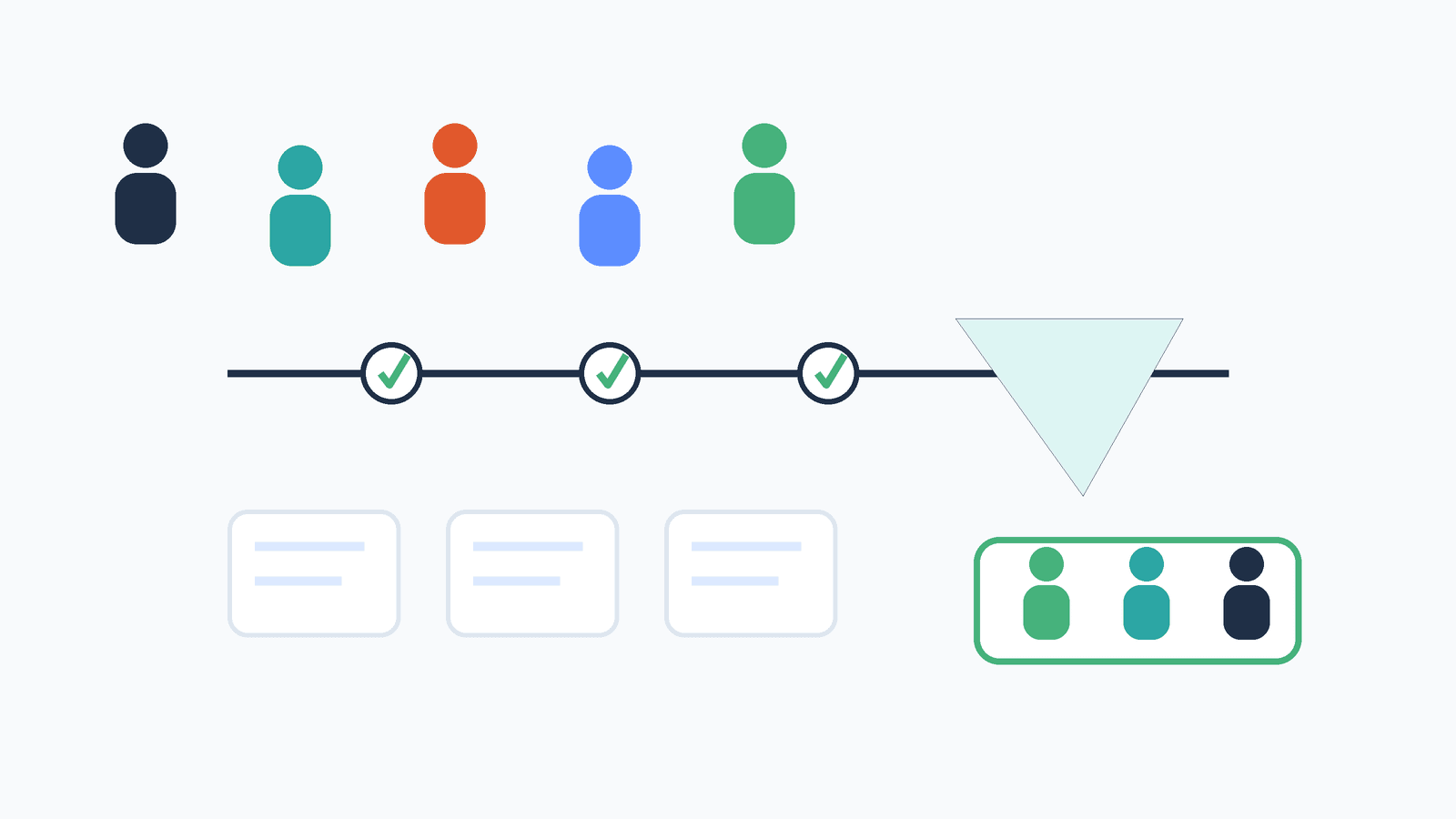
A structured screening process helps surface role-fit evidence before the offer is made. Most of the signs above trace back to the same root cause: the hiring process didn't surface this information before the offer went out.
A resume and a conversational interview can only tell you so much. If you need the step-by-step version, start with HireMike's How to Screen Job Applicants guide. What actually predicts on-the-job performance is a structured process: clear, role-specific criteria decided before you start reviewing candidates, the same questions asked of every applicant, and a consistent way to compare answers rather than relying on interview impressions. A scorecard that captures this at the time of the decision also means you're not guessing months later about what you were even hoping for in the first place.
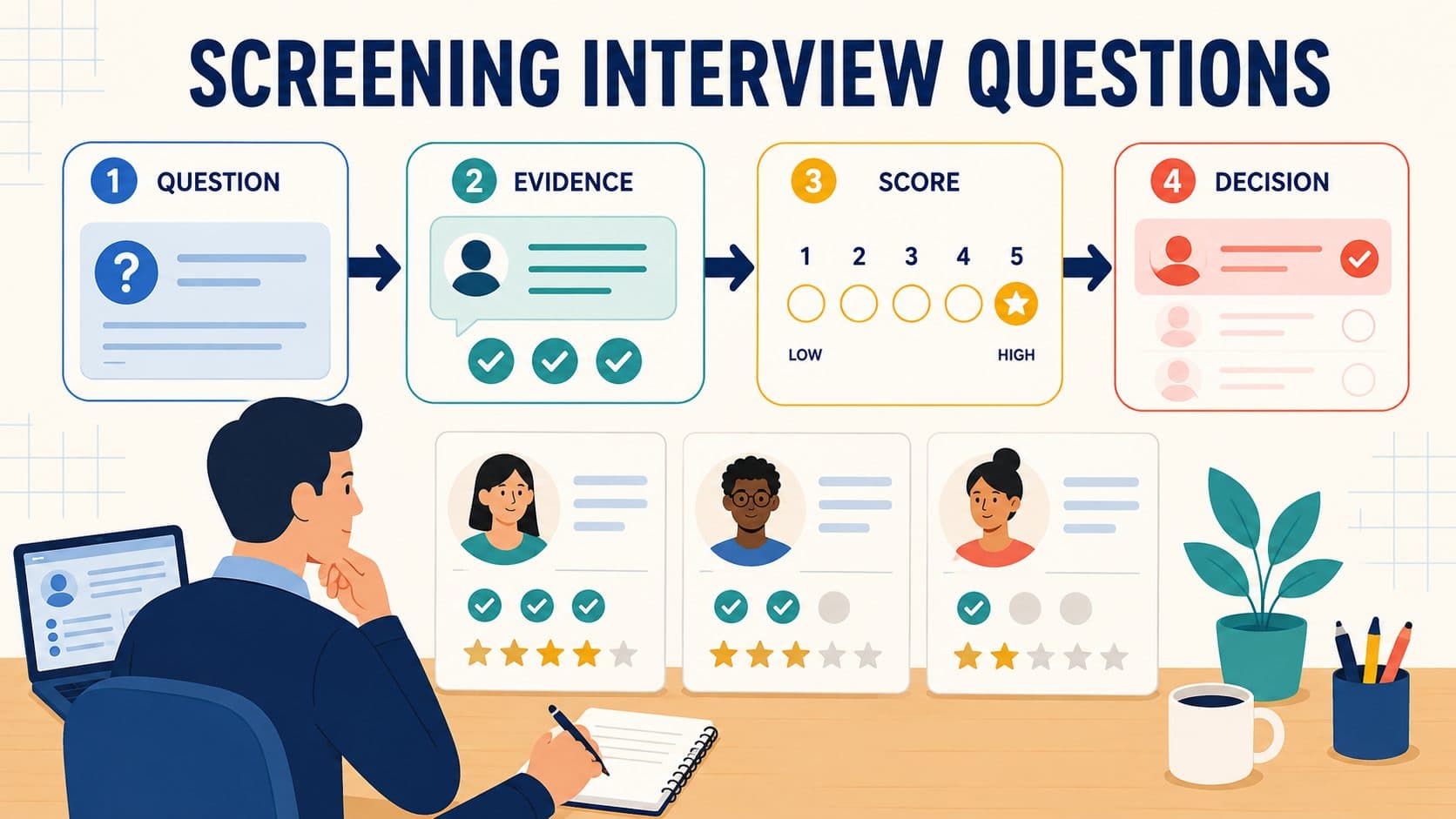
This is the layer that's genuinely difficult to build without support — defining role-specific criteria well, applying them consistently across every candidate, and reviewing the results fairly takes real structure. HireMike handles that structured screening layer: role-specific criteria, consistent interviews for every applicant, and a scorecard you can actually compare candidates against, while you stay in control of every decision. For the actual questions to ask and how to score them, see our screening interview questions guide.
Frequently Asked Questions
How long should I wait before deciding it's a bad hire? Long enough to rule out normal ramp-up, typically 60 to 90 days, but not so long that the cost to your team compounds. The key indicator isn't time elapsed, it's whether the pattern improves after clear, specific feedback.
Can a bad hire become a good one? Sometimes. If the root cause is a skills gap or unclear expectations, coaching and a real onboarding reset can turn things around. If the root cause is unresponsiveness to direct feedback, that's a harder pattern to shift.
Is it my fault if I made a bad hire? Not necessarily, but it's worth checking honestly whether the process itself gave you the information you needed. Most bad hires trace back to a screening process that didn't surface the mismatch early, not to a manager's individual misjudgment.
What's the biggest mistake small businesses make when handling this? Waiting too long to have the direct conversation. Vague discomfort left unaddressed for months is harder to act on fairly than a specific issue raised and documented early.
Spotting the signs early is only half the job — the other half is having a hiring process that catches the mismatch before it costs you a bad quarter. If your team is still figuring out how to make onboarding and performance expectations stick once someone is hired, Process Shepherd's guided workflows can help new hires ramp up faster and hit the ground running.