
Employee Onboarding Process: How to Turn New Hires into Confident Performers

Hiring a great candidate is an important milestone, but it's only the beginning of their journey with your organization. What happens after they accept the offer often has a greater impact on their long-term success than the hiring process itself.
An effective employee onboarding process helps new hires understand your company's culture, expectations, and ways of working while giving them the knowledge and confidence to contribute quickly. When onboarding is structured and intentional, employees become productive sooner, make fewer mistakes, and are more likely to stay with the organization.
However, many companies focus so heavily on getting people through orientation that they overlook a critical question: How do employees continue to perform confidently once formal onboarding ends?
Let's explore what makes an effective onboarding process—and why supporting employees beyond their first week is just as important as welcoming them on day one.
What Is an Employee Onboarding Process?
Employee onboarding is the structured process of integrating a new hire into an organization. It begins after a candidate accepts an offer and extends beyond their first day or first week, helping them understand company policies, workplace culture, job responsibilities, and the tools they'll use every day.
While orientation is often a single event focused on administrative tasks and introductions, onboarding is a broader journey designed to help employees become fully effective in their roles.
A successful onboarding process should help new employees:
- Understand the company's mission, values, and expectations
- Complete necessary administrative and compliance requirements
- Learn role-specific responsibilities and workflows
- Build relationships with managers and teammates
- Gain the confidence to perform independently
Organizations with thoughtful onboarding programs often see improvements in employee engagement, retention, and productivity because new hires feel supported from the very beginning.
The Four Stages of Employee Onboarding
Although every organization approaches onboarding differently, most successful programs follow four core stages.
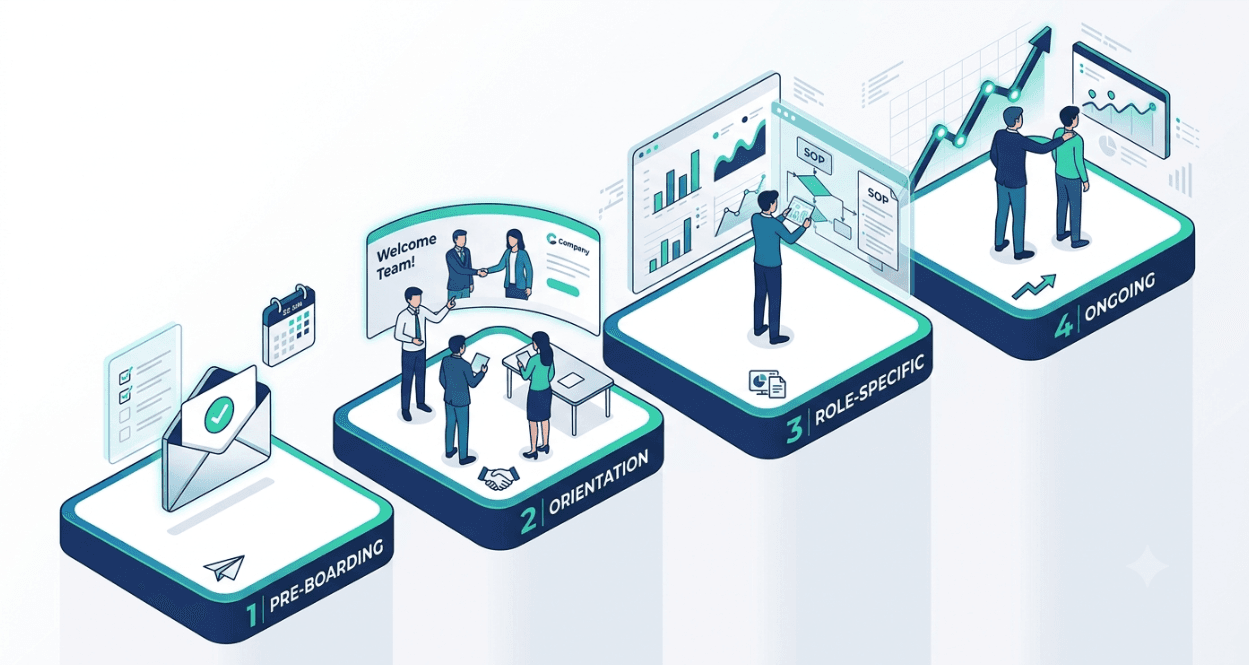
1. Pre-boarding
Pre-boarding begins once a candidate accepts the job offer and continues until their first day.
This stage focuses on preparation rather than paperwork alone. Employers typically send welcome communications, provide information about the first day, complete necessary documentation, prepare equipment, create system accounts, and ensure managers have a clear onboarding plan.
A smooth pre-boarding experience reduces uncertainty and helps employees feel valued before they even arrive.
2. Orientation and Welcome
Orientation introduces new hires to the organization.
This typically includes company values, organizational structure, workplace policies, security procedures, benefits, introductions to colleagues, and tours of the workplace or digital systems.
Rather than overwhelming employees with information, effective organizations prioritize helping people feel comfortable and connected while gradually introducing essential knowledge.
3. Role-Specific Training
Once employees understand the organization, attention shifts to helping them perform their specific responsibilities.
This stage often includes:
- Product or service knowledge
- Department procedures
- Customer service standards
- Compliance requirements
- Software training
- Standard operating procedures (SOPs)
Many organizations also assign mentors or "buddies" who can answer questions and provide guidance during the first few weeks. Clear goals—such as a 30-, 60-, or 90-day plan—help employees understand what success looks like and allow managers to track progress.
4. Ongoing Integration
Great onboarding doesn't end after orientation or even after the first month.
Regular check-ins, constructive feedback, continued learning opportunities, and performance coaching help employees develop confidence while strengthening their connection to the organization. This stage transforms onboarding from a one-time event into an ongoing investment in employee success.
Why Many Onboarding Programs Fall Short
Despite following these stages, many organizations still struggle to achieve consistent onboarding outcomes.
The problem often isn't the onboarding plan itself—it's what happens after training ends.
During the first week, employees receive large amounts of information about policies, procedures, systems, and workflows. While this knowledge is important, it's unrealistic to expect anyone to remember everything they learned once they begin handling real work.
As responsibilities become more complex, employees often find themselves asking questions such as:
- "What's the correct procedure for this situation?"
- "Which version of the process should I follow?"
- "Has this policy changed recently?"
- "Where can I find the latest documentation?"

When answers are buried in lengthy documents or scattered across different systems, employees spend valuable time searching for information—or worse, relying on memory.
The result can be:
- Inconsistent customer experiences
- Avoidable mistakes
- Longer resolution times
- Increased supervisor involvement
- Frustration for both employees and managers
Effective onboarding prepares people for work. But sustained performance requires ongoing support.
Helping Employees Perform Beyond Their First Week
One of the biggest misconceptions about onboarding is that training ends once employees begin working independently.
In reality, learning continues every day.
The most successful organizations recognize that employees don't simply need access to information—they need access to the right information at the exact moment they're performing a task.
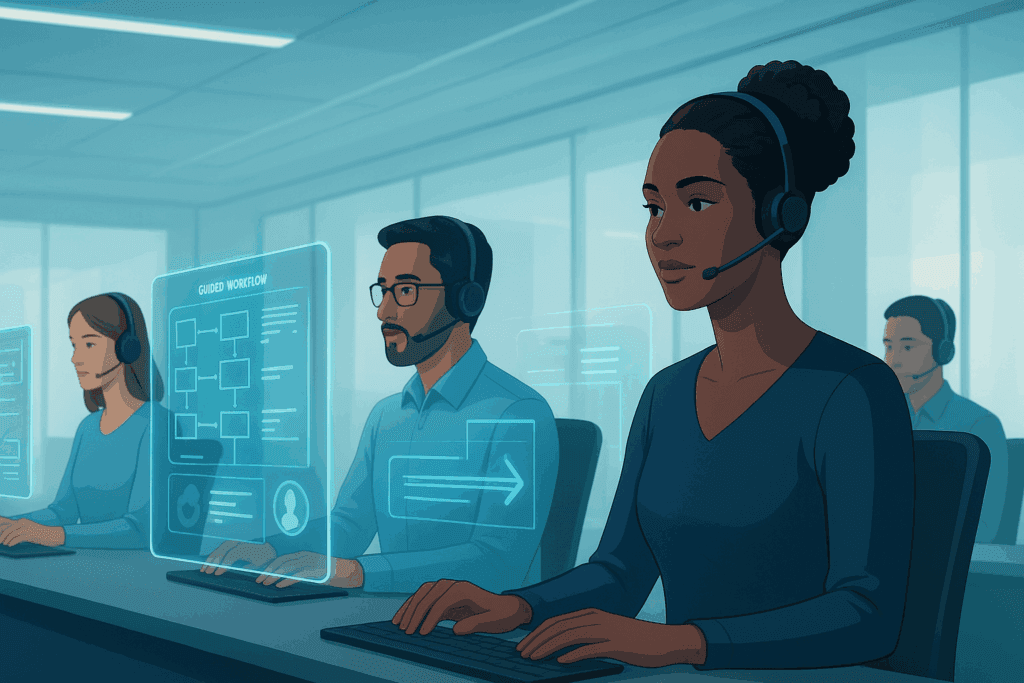
Instead of expecting employees to memorize hundreds of procedures or search through knowledge bases during customer interactions, modern organizations are increasingly adopting guided workflows.
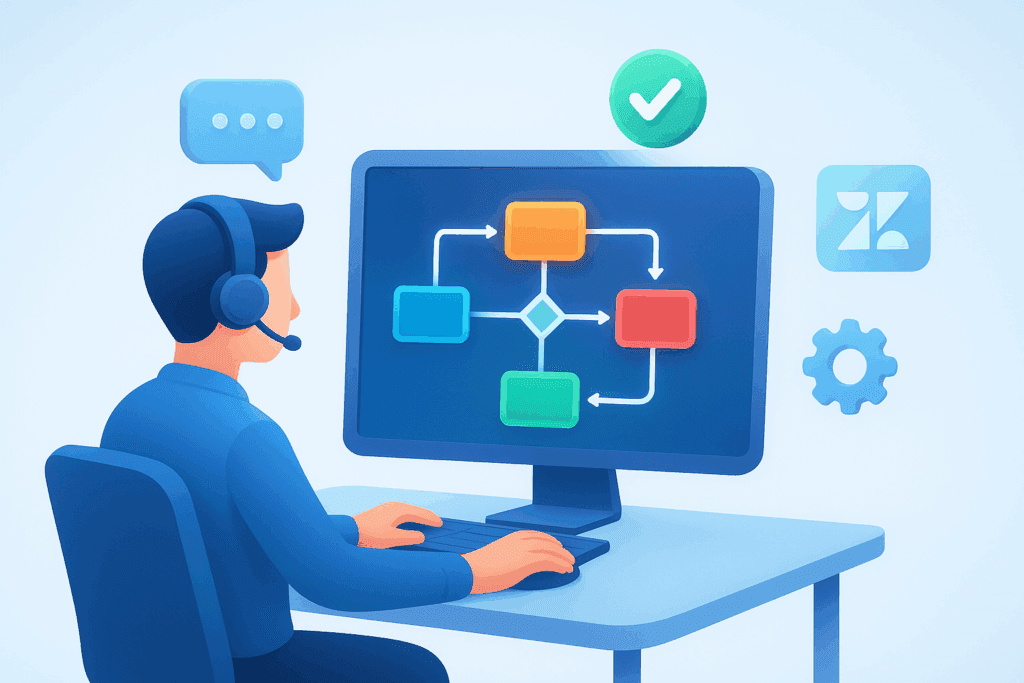
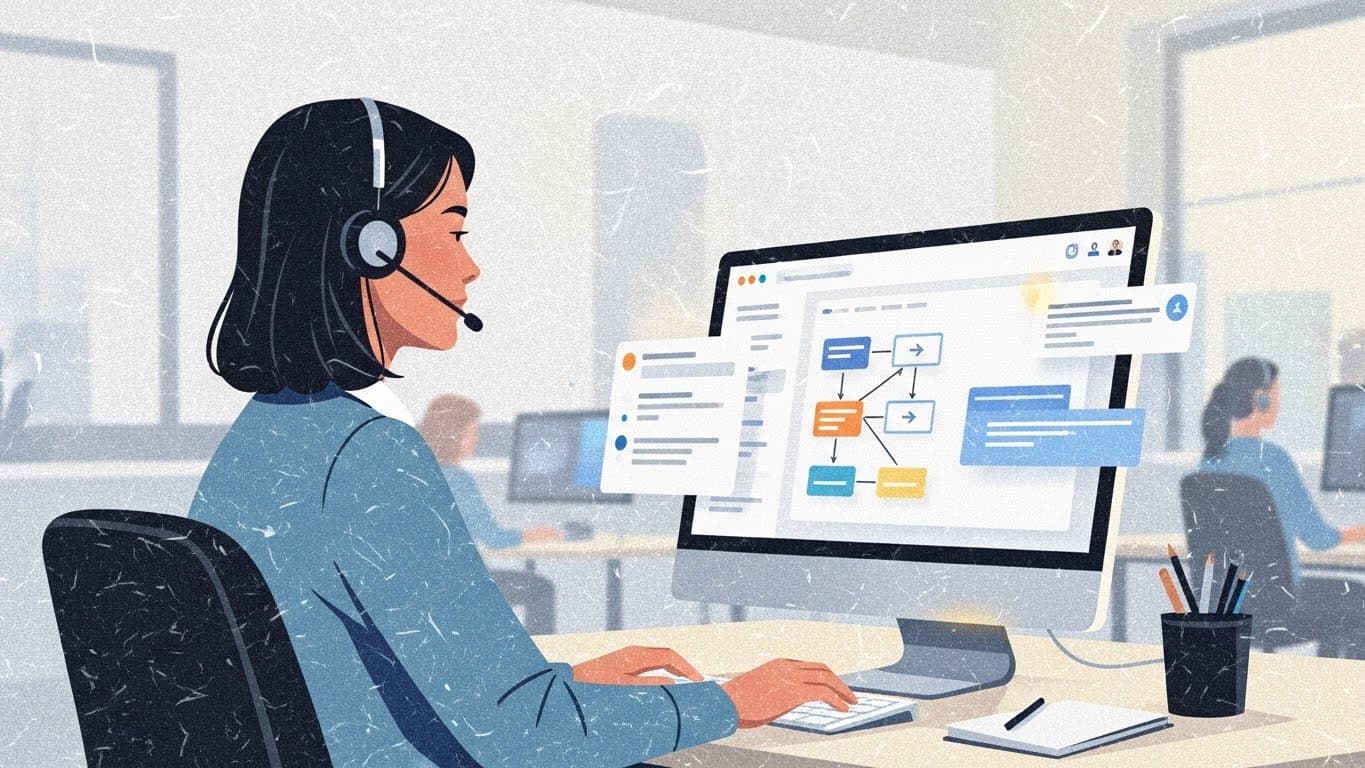
Guided workflows walk employees through processes step by step, presenting only the information relevant to the situation they're handling. This reduces cognitive load, improves consistency, and helps employees make confident decisions without constantly seeking assistance from supervisors.
For organizations managing complex customer service, compliance, or operational processes, this approach bridges the gap between onboarding and day-to-day execution.
Rather than treating onboarding as a short-term project, platforms like Process Shepherd extend learning into everyday work by embedding organizational knowledge directly into guided workflows. Employees continue learning while performing real tasks, allowing them to become productive more quickly without sacrificing quality or consistency.
From Hiring the Right People to Supporting Them Every Day
Employee success begins even before onboarding.
Modern organizations are increasingly using AI-powered hiring platforms to identify qualified candidates more efficiently and reduce the administrative burden of recruitment. Solutions like HireMike help employers streamline resume screening and first-round interviews, allowing hiring managers to focus on the most promising candidates.
But hiring the right person is only half the equation.
Once new employees join the organization, they need systems that help them apply what they've learned with confidence and consistency. That's where guided workflow platforms like Process Shepherd complement the hiring process by supporting employees long after they've accepted the job offer.
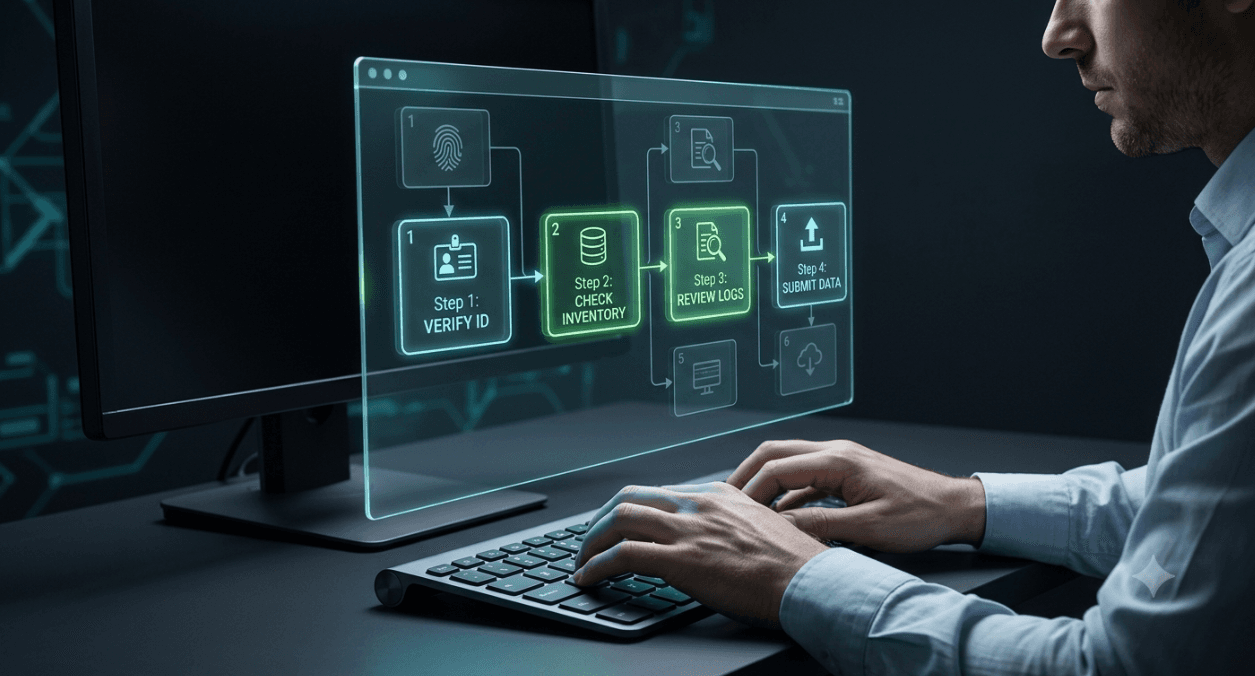
Together, these technologies create a smoother employee journey—from identifying the right candidate to enabling strong performance on the job.
Final Thoughts
An effective employee onboarding process is much more than a checklist of first-day activities. It's a structured journey that prepares employees to contribute confidently while building long-term engagement with the organization.
The strongest onboarding programs combine thoughtful preparation, meaningful training, and ongoing support that continues well beyond orientation.
As organizations embrace AI throughout the employee lifecycle, the opportunity isn't simply to hire faster or train more efficiently—it's to create an environment where employees have the guidance they need to perform at their best every day.
When companies invest in both smarter hiring and smarter operational support, they shorten the path from new hire to confident, high-performing employee.
Nola Neven
AuthorNola Neven is a content strategist in the CX space, focused on turning complex operational problems into clear, credible content that people actually read, reference, and share. Her work sits where content and operations meet. She spends her time understanding how contact centers and help desks really function day to day, where workflows break down, where teams rely on workarounds, and where systems quietly slow everything down.