What Is Contact Center as a Service (CCaaS)?

What Is Contact Center as a Service (CCaaS)? Features, Benefits, Challenges, and Best Practices
Customer expectations have changed dramatically over the last decade. Today's customers expect fast, personalised support whether they reach out by phone, email, live chat, SMS, social media, or messaging apps like WhatsApp. They also expect businesses to remember previous interactions and provide consistent service across every touchpoint.
Traditional on-premises call centers often struggle to meet these expectations. Legacy hardware, limited scalability, disconnected communication channels, and high maintenance costs make it difficult for organisations to deliver modern customer experiences.
This is where Contact Center as a Service (CCaaS) comes in.
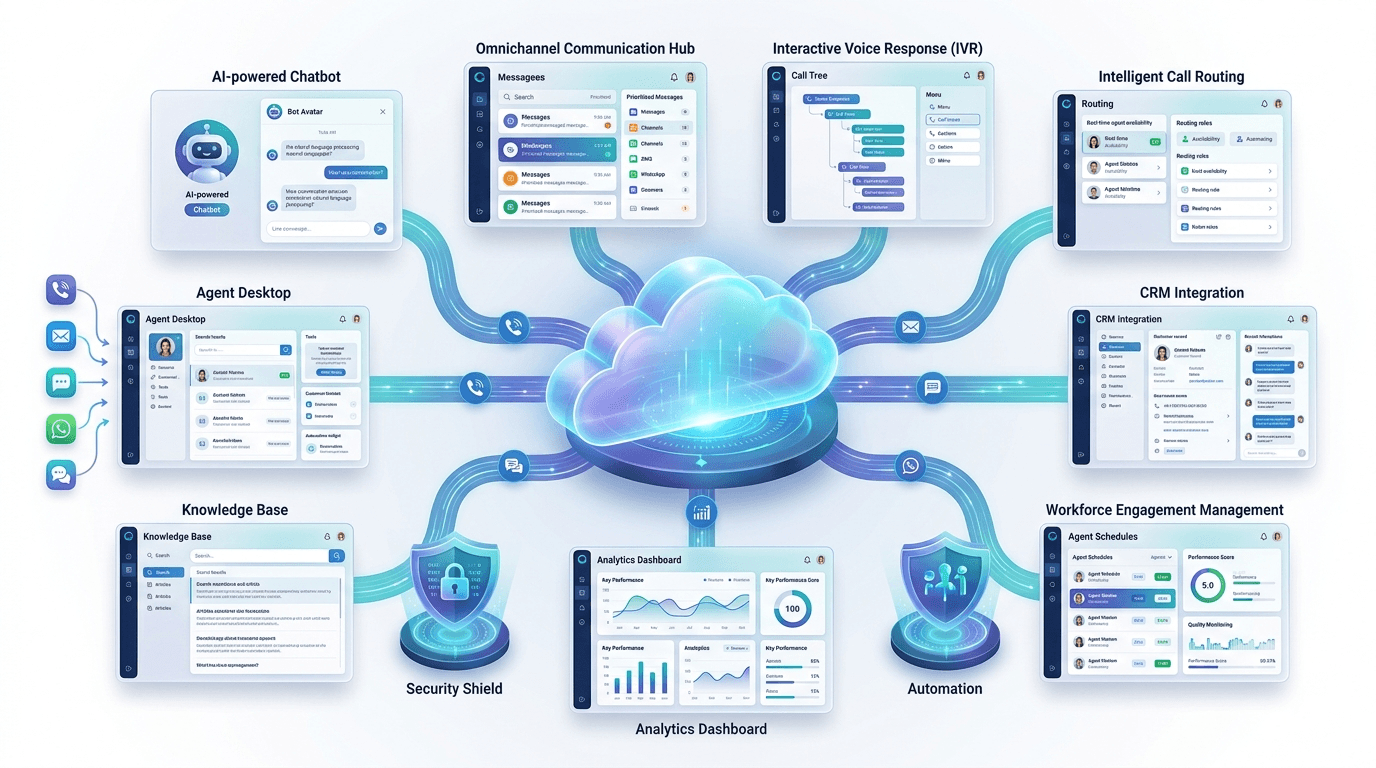
Contact Center as a Service is a cloud-based software delivery model that enables organizations to manage customer interactions through a centralized platform without investing in expensive on-premises infrastructure. Instead of maintaining servers, telephony equipment, and complex networking systems, businesses subscribe to a cloud-hosted contact center platform that provides voice, digital channels, workforce management, analytics, artificial intelligence (AI), and automation from a single solution.
As organizations continue to embrace digital transformation, CCaaS has become one of the fastest-growing customer experience technologies. It allows businesses to scale operations quickly, support remote and hybrid agents, integrate with customer relationship management (CRM) systems, and continuously adopt new AI-powered capabilities without major infrastructure upgrades.
In this guide, you'll learn what Contact Center as a Service is, how it works, its key features and benefits, common implementation challenges, and the best practices organizations should follow to maximize their investment.
What Is Contact Center as a Service (CCaaS)?
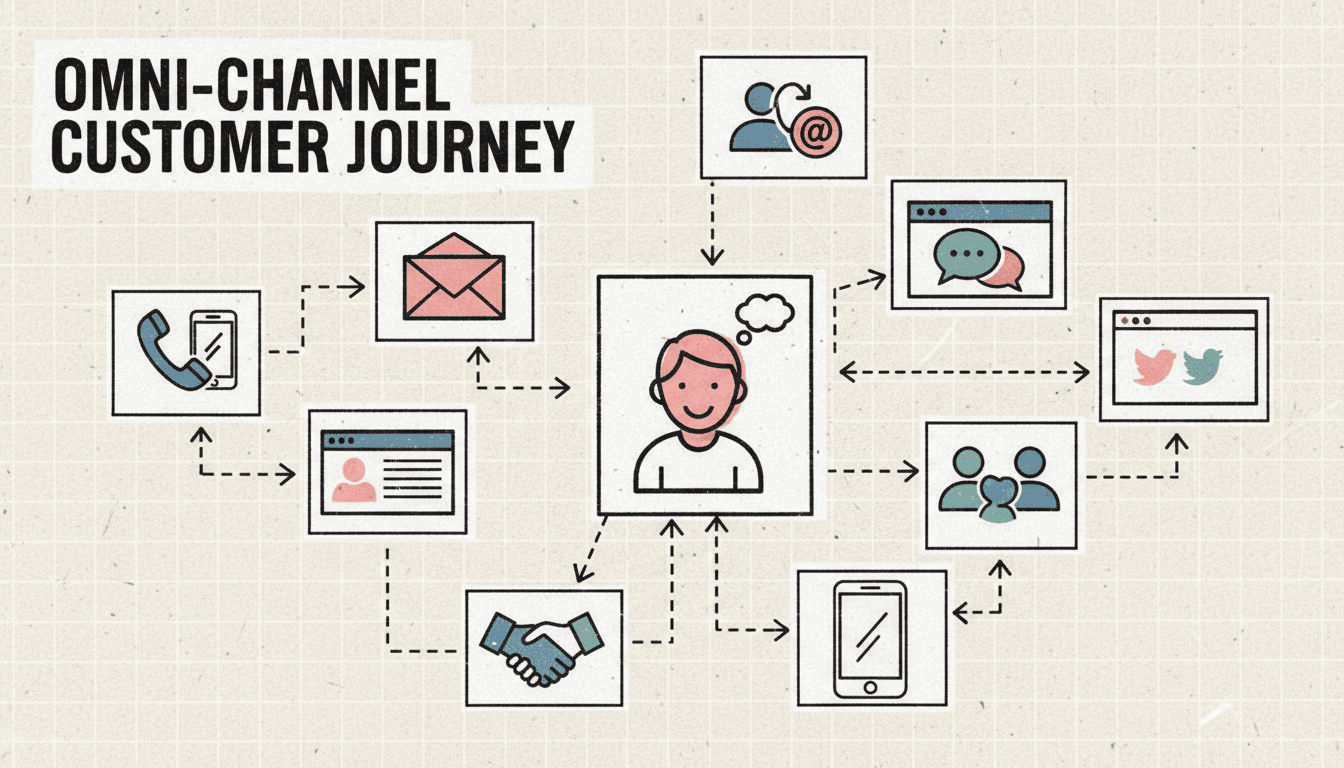
Contact Center as a Service (CCaaS) is a cloud-based customer experience platform that enables organizations to manage customer interactions across multiple communication channels—including voice, email, live chat, SMS, social media, and messaging apps—from a single, centralized interface.
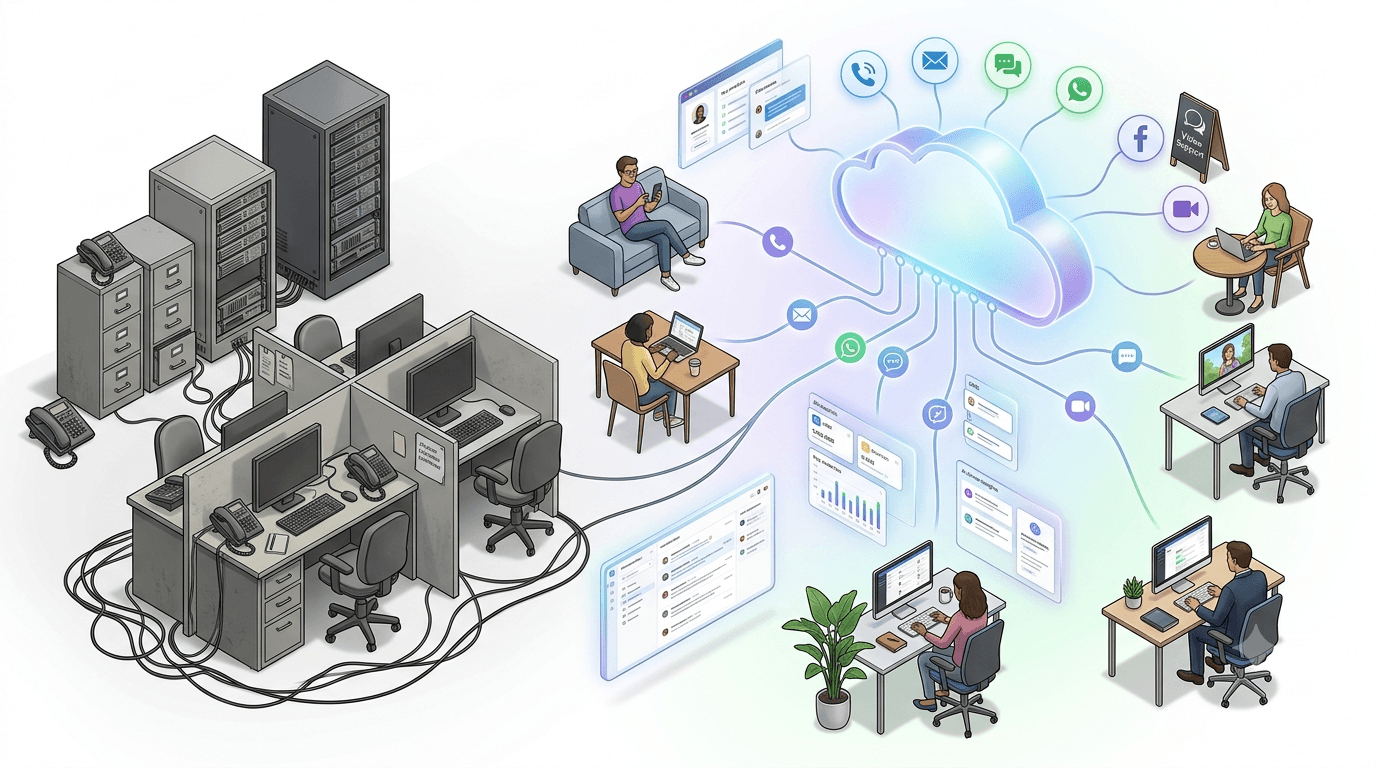
Unlike traditional contact centers that rely on physical servers and on-premises telephony infrastructure, CCaaS solutions are delivered through the cloud using a subscription-based Software as a Service (SaaS) model. This allows organisations to access enterprise-grade contact center capabilities through a web browser without the complexity of purchasing, maintaining, and upgrading expensive hardware.
Modern CCaaS platforms typically include:
- Omnichannel communication
- Automatic call distribution (ACD)
- Interactive Voice Response (IVR)
- AI-powered chatbots and virtual agents
- Intelligent call routing
- Workforce engagement management
- Real-time reporting and analytics
- CRM integrations
- Quality assurance tools
- AI-powered agent assistance
Because the provider manages the infrastructure, businesses can focus on delivering exceptional customer experiences instead of maintaining technology.
Why Is It Called "As a Service"?
The phrase "as a Service" refers to software that is delivered over the internet rather than installed and maintained on an organisation's own servers.
Instead of making significant upfront investments in hardware, networking equipment, and software licenses, companies pay a recurring subscription fee that covers the platform, maintenance, security updates, and ongoing feature enhancements.
This subscription model offers several advantages:
- Lower upfront costs
- Faster deployment
- Predictable monthly expenses
- Automatic software updates
- Easier scalability
- Reduced IT maintenance
As a result, organizations of all sizes, from growing startups to global enterprises can access sophisticated contact center technology without the traditional barriers associated with legacy infrastructure.
Contact Center vs. Call Center
Although the terms are often used interchangeably, they are not the same.
A call center primarily manages inbound and outbound voice calls. While it remains an important communication channel, voice is only one part of today's customer service landscape.
A contact center, on the other hand, supports multiple communication channels within a unified environment. Customers can switch between phone calls, emails, live chat, SMS, social media, and messaging platforms without losing conversation history, allowing businesses to deliver a more seamless customer experience.
CCaaS extends this concept further by delivering the entire contact centre through the cloud, enabling organisations to support distributed teams, integrate AI-powered capabilities, and scale operations more efficiently.
How Contact Center as a Service Works
A Contact Center as a Service platform acts as the central hub for all customer interactions.
Rather than routing communications through on-premises phone systems and isolated applications, every interaction flows through a cloud-based platform that intelligently connects customers with the right resources.
A typical customer interaction follows this process:
- A customer initiates contact through their preferred communication channel, such as a phone call, email, live chat, SMS, or WhatsApp.
- The CCaaS platform receives the interaction and identifies the customer's channel, previous history, and available context.
- AI-powered routing evaluates factors such as customer intent, agent skills, language preferences, and queue availability.
- The interaction is directed to the most appropriate agent or automated self-service solution.
- The agent receives the customer's information alongside conversation history, CRM records, and relevant support tools within a single workspace.
- The interaction is monitored, analysed, and recorded for quality assurance, reporting, and workforce optimization.
This cloud-native architecture eliminates many of the limitations associated with traditional contact center infrastructure while enabling organizations to deliver faster, more personalized customer experiences.
Omnichannel Customer Communication
One of the defining characteristics of modern CCaaS platforms is omnichannel communication.
Instead of treating every communication channel separately, CCaaS consolidates interactions into a unified workspace. Agents can seamlessly manage voice calls, emails, web chat, SMS, social messaging, and video conversations without switching between multiple applications.
This unified approach offers several benefits:
- Faster response times
- Reduced context switching for agents
- Consistent customer experiences
- Complete interaction history across every channel
- Improved customer satisfaction
As customers increasingly move between digital channels during a single service journey, omnichannel communication has become a fundamental requirement for delivering exceptional customer support.
AI-Powered Routing and Automation
Artificial intelligence has transformed how contact centers manage customer interactions.
Modern CCaaS platforms use AI to automate repetitive tasks, improve routing accuracy, and support agents during live conversations. This is one of the areas where contact center technology has advanced most rapidly.
Common AI capabilities include:
- Skills-based routing
- Intent recognition
- Sentiment analysis
- Predictive routing
- AI-powered virtual assistants
- Conversational chatbots
- Automated summaries
- Next-best-action recommendations
By automating routine inquiries and directing complex cases to appropriately skilled agents, organizations can reduce wait times while improving operational efficiency.
CRM Integration
Customer conversations become significantly more valuable when they are connected to customer data.
Most leading Contact Center as a Service platforms integrate with popular CRM solutions such as Salesforce, Microsoft Dynamics 365, HubSpot, and other customer management systems.
These integrations allow agents to instantly access:
- Customer profiles
- Purchase history
- Previous support interactions
- Account status
- Open cases
- Notes from previous conversations
Having this information readily available reduces repetitive questioning and enables agents to provide faster, more personalized support.
Key Features of Contact Center as a Service
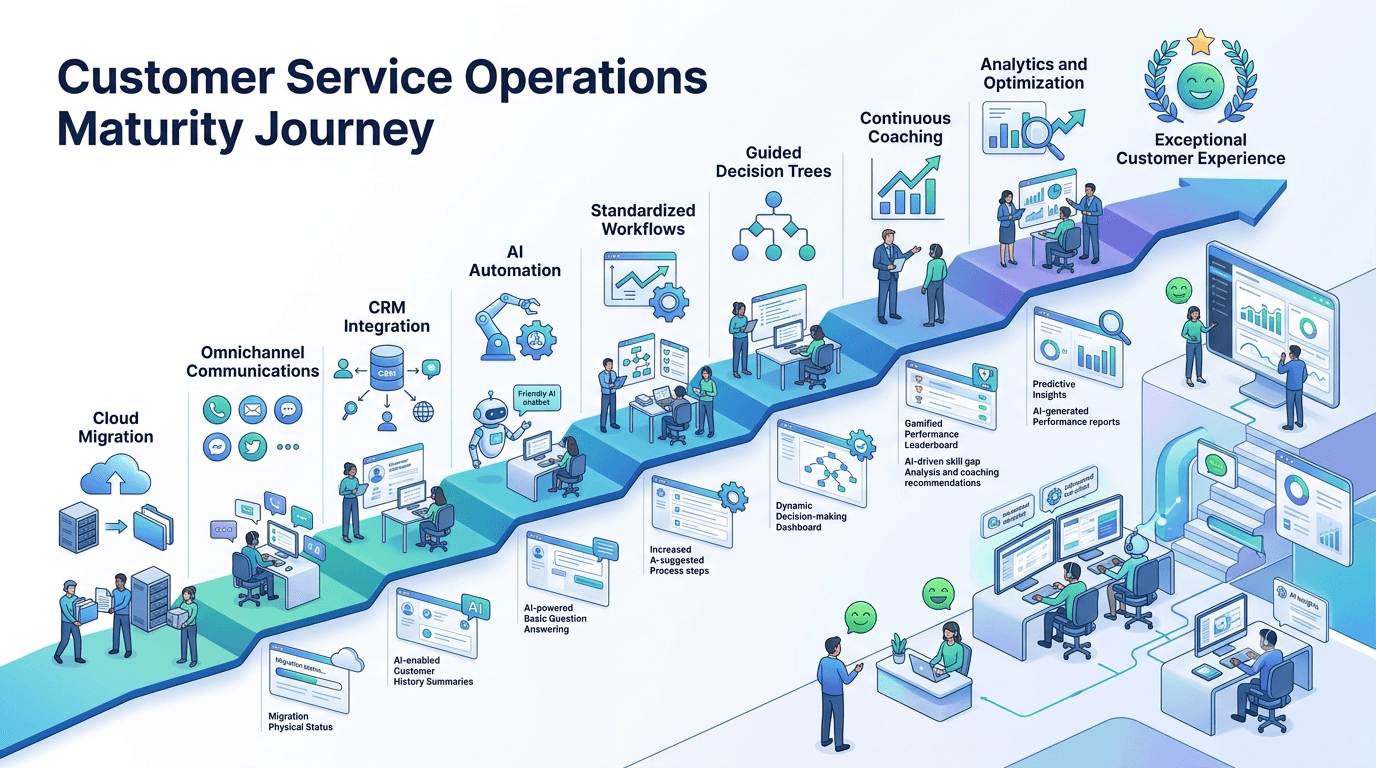
Although every provider offers a unique combination of capabilities, most enterprise-grade CCaaS platforms share several core features.
Cloud-Native Infrastructure
Unlike traditional contact centers that require costly on-premises equipment, CCaaS platforms operate entirely in the cloud.
This enables organizations to deploy new locations quickly, support remote and hybrid workforces, improve disaster recovery, and scale capacity based on demand without purchasing additional hardware.
Intelligent Call Routing
Advanced routing ensures customers are connected to the most appropriate agent based on predefined business rules, agent expertise, language preferences, customer priority, or AI-driven intent analysis.
Effective routing improves first-contact resolution rates while reducing average handle times and unnecessary call transfers.
Interactive Voice Response (IVR)
Interactive Voice Response systems help customers navigate support options using voice commands or keypad selections before reaching a live agent.
Modern IVR solutions increasingly leverage conversational AI to create more natural, personalized self-service experiences that resolve routine inquiries without human intervention.
AI-Powered Self-Service
AI-powered chatbots and virtual assistants have become essential components of modern CCaaS platforms.
These tools can answer frequently asked questions, track orders, reset passwords, schedule appointments, process simple requests, and guide customers through common workflows at any time of day.
By resolving repetitive inquiries automatically, organizations free human agents to focus on higher-value, more complex customer interactions.
Workforce Engagement Management
Beyond handling customer conversations, many CCaaS platforms include workforce engagement capabilities that help supervisors forecast demand, schedule staff, monitor performance, coach agents, and maintain service quality.
These tools contribute to better workforce utilization while supporting continuous performance improvement.
Benefits of Contact Center as a Service
As customer expectations continue to evolve, organizations need technology that can adapt quickly while delivering consistent, high-quality service. This is one of the primary reasons why businesses across industries are replacing legacy contact center infrastructure with cloud-based CCaaS platforms.
Lower Infrastructure and Maintenance Costs
Traditional contact centers require significant upfront investments in servers, telephony equipment, networking hardware, software licenses, and ongoing maintenance. These costs can quickly become difficult to justify as customer service demands grow.
With Contact Center as a Service, organisations pay a predictable subscription fee while the provider manages infrastructure, software updates, security patches, and system availability. This reduces capital expenditure and allows businesses to focus more resources on improving customer experience.
Faster Deployment and Greater Scalability
One of the biggest advantages of CCaaS is its ability to scale rapidly.
Whether an organisation is hiring seasonal agents, expanding into new markets, or experiencing unexpected spikes in customer demand, cloud-based contact centers allow administrators to add users and increase capacity without deploying new hardware.
This flexibility is particularly valuable for organisations experiencing rapid growth or fluctuating customer volumes.
Enhanced Customer Experience
Modern customers expect seamless interactions regardless of how they contact a business.
Because CCaaS consolidates communication channels into a single platform, agents can access complete customer histories without forcing customers to repeat information every time they switch channels.
The result is faster issue resolution, more personalised interactions, and improved customer satisfaction.
Better Support for Remote and Hybrid Teams
Remote work has fundamentally changed contact center operations.
Cloud-native platforms enable agents to securely access the same tools, customer information, and communication channels from virtually anywhere with an internet connection.
This flexibility allows organizations to recruit talent from wider geographic regions while maintaining business continuity during unexpected disruptions.
Continuous Innovation
Unlike traditional on-premises software that may only receive occasional upgrades, CCaaS platforms continuously introduce new features.
Organizations benefit from regular improvements such as AI-powered automation, enhanced analytics, stronger security controls, improved reporting capabilities, and new communication channel integrations without lengthy upgrade projects.
Common Challenges of Contact Center as a Service
Although CCaaS offers significant operational advantages, implementing a cloud-based contact center is not without challenges. Organizations that understand these obstacles are better positioned to develop successful deployment strategies.
Migration Complexity
Moving from legacy infrastructure to a cloud contact center requires careful planning.
Businesses often need to migrate historical customer data, redesign workflows, integrate third-party applications, and train employees on new systems. Without proper planning, migration projects can disrupt daily operations and negatively impact customer experience.
System Integration
Most organizations rely on numerous business applications, including CRM platforms, help desk software, billing systems, knowledge bases, and workforce management tools.
Ensuring these systems communicate effectively with a new CCaaS platform requires thoughtful integration planning and ongoing maintenance.
Security and Compliance
Customer service teams frequently handle sensitive customer information, including payment details, financial records, healthcare information, and personally identifiable information.
Organizations must ensure their CCaaS provider complies with relevant security frameworks and industry regulations while implementing strong access controls, encryption, and monitoring practices.
Agent Adoption
Technology alone does not improve customer service.
Even the most advanced Contact Center as a Service platform can fail to deliver expected results if agents struggle to adapt to new tools, inconsistent processes, or unfamiliar workflows.
Successful implementations require continuous training, coaching, and operational support.
Why Contact Center as a Service Alone Doesn't Guarantee Great Customer Experiences
Investing in a modern CCaaS platform is an important step toward improving customer service—but technology is only part of the equation.
Many organizations assume that moving to the cloud will automatically reduce handling times, improve customer satisfaction, and increase agent productivity. In reality, these outcomes depend just as much on how agents perform their work as they do on the technology supporting them.
Consider a typical customer interaction.
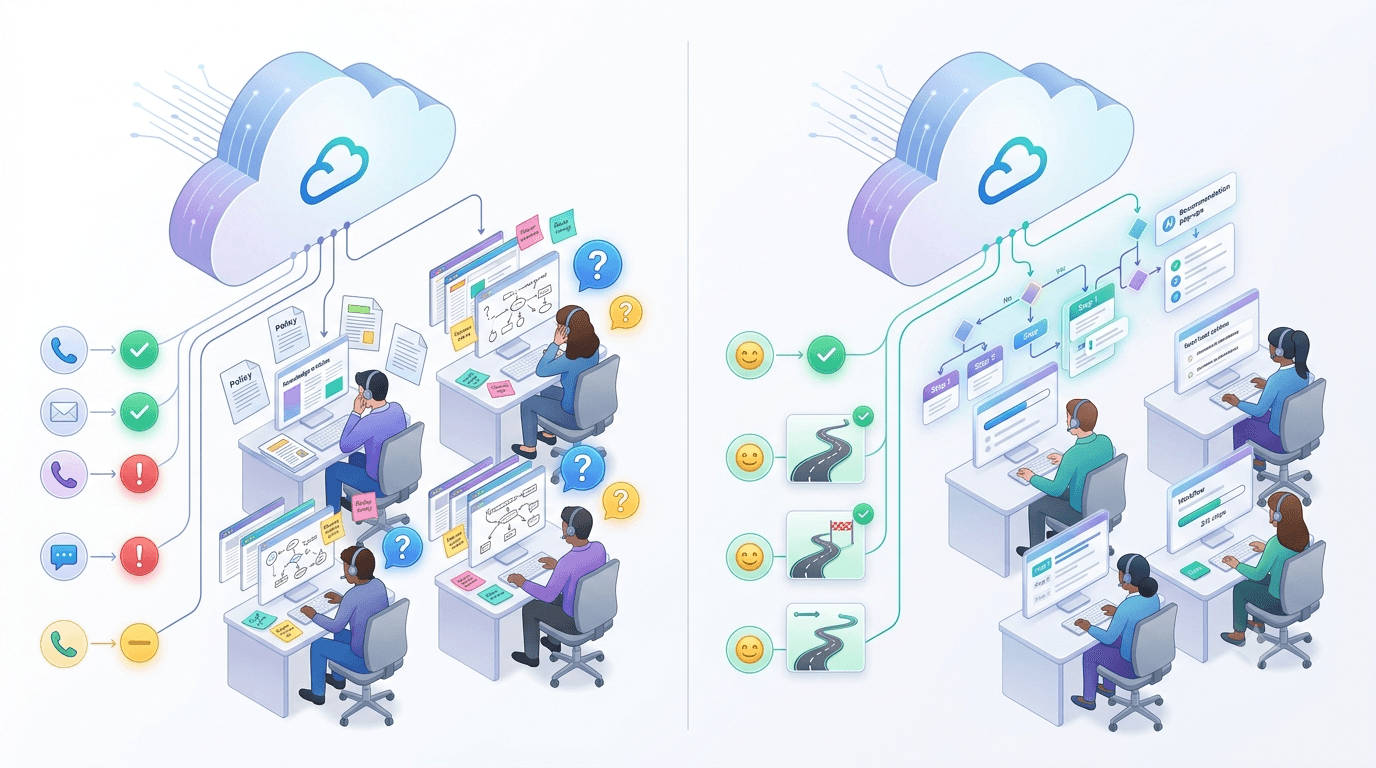
A CCaaS platform can intelligently route a call, retrieve customer information, record the conversation, and provide AI-generated summaries. However, it cannot automatically ensure the agent follows the correct business process, asks the right qualifying questions, complies with company policies, or resolves the customer's issue consistently.
When agents rely solely on memory, static documentation, or outdated knowledge articles, service quality can vary significantly from one interaction to the next.
This inconsistency often results in:
- Longer average handle times (AHT)
- Increased agent errors
- Compliance risks
- Escalated customer issues
- Longer onboarding periods
- Inconsistent customer experiences
For organizations handling complex products, regulated industries, or intricate support processes, operational consistency becomes just as important as the technology platform itself.
Combining CCaaS with Guided Workflows for Better Customer Outcomes
A growing number of organizations are complementing their Contact Center as a Service platform with guided workflow technology that helps agents make accurate decisions during live customer interactions.
Rather than expecting employees to memorize dozens—or even hundreds—of procedures, guided workflows present the right questions, actions, and decision paths in real time.
For example, when a customer contacts support regarding a billing dispute, service request, or account change, the agent can be guided through a structured workflow that adapts dynamically based on the customer's responses.
This approach offers several operational benefits:
- Reduced onboarding time for new agents
- Greater process consistency across teams
- Lower compliance risk
- Faster issue resolution
- Improved first-contact resolution
- Reduced dependence on lengthy documentation
- More confident customer service representatives
For organizations using CCaaS, guided workflows don't replace the platform—they enhance it by ensuring agents execute processes consistently regardless of experience level.
Best Practices for Maximizing Your CCaaS Investment
Organizations that achieve the greatest return on their Contact Center as a Service investment typically view CCaaS as part of a broader customer experience strategy rather than a standalone technology upgrade.
To maximize long-term value:
- Clearly document customer service processes before migrating to a new platform.
- Standardize workflows across departments to reduce inconsistency.
- Integrate your CCaaS platform with CRM, knowledge management, and business applications.
- Continuously monitor key performance indicators such as Average Handle Time (AHT), First Contact Resolution (FCR), Customer Satisfaction (CSAT), and Service Level Agreements (SLAs).
- Use AI to automate repetitive interactions while empowering agents to focus on complex conversations.
- Regularly update knowledge resources to reflect changing products, policies, and regulations.
- Provide ongoing coaching and real-time guidance to help agents consistently follow best practices.
Organizations that combine modern cloud technology with standardized operational processes are often better positioned to deliver efficient, scalable, and customer-centric support.
Conclusion
Contact Center as a Service has fundamentally changed how organisations deliver customer support. By replacing legacy infrastructure with cloud-based platforms, businesses gain the flexibility to support omnichannel communication, remote workforces, AI-powered automation, and continuous innovation without the burden of managing complex on-premises systems.
However, adopting a CCaaS platform is only the beginning. Long-term success depends on how effectively customer service teams execute the processes that drive every interaction. Even the most advanced cloud contact center cannot eliminate inconsistent decision-making, knowledge gaps, or procedural errors on its own.
Organisations that combine the scalability and intelligence of Contact Center as a Service with standardised processes, real-time agent guidance, and continuous operational improvement are better equipped to deliver faster resolutions, more consistent customer experiences, and stronger business outcomes. As customer expectations continue to rise, pairing the right technology with the right operational practices will be the key to building a high-performing contact center that scales with confidence.
This is where solutions like Process Shepherd add value. While a CCaaS platform provides the cloud infrastructure for managing customer interactions, Process Shepherd helps contact center teams execute those interactions consistently through guided workflows, interactive decision trees, dynamic agent scripting, and real-time process guidance. By reducing reliance on memory and static documentation, organisations can onboard new agents faster, minimise errors, improve compliance, and deliver a more consistent customer experience across every channel. Together, a robust CCaaS platform and intelligent operational guidance create a stronger foundation for delivering exceptional customer service at scale.
Nola Neven
AuthorNola Neven is a content strategist in the CX space, focused on turning complex operational problems into clear, credible content that people actually read, reference, and share. Her work sits where content and operations meet. She spends her time understanding how contact centers and help desks really function day to day, where workflows break down, where teams rely on workarounds, and where systems quietly slow everything down.